Phone: +86-755-2357-1819 Mobile: +86-185-7640-5228 Email: sales@ominipcba.com whatsapp: +8618576405228

Decoding PCB Pricing: Materials, Complexity, Quantity
Understand the critical factors driving PCB board prices: materials, design complexity, and order quantity. Gain expert insights for cost-effective electronics manufacturing.
PCB ASSEMBLY
OminiPCBA
1/13/20268 min read
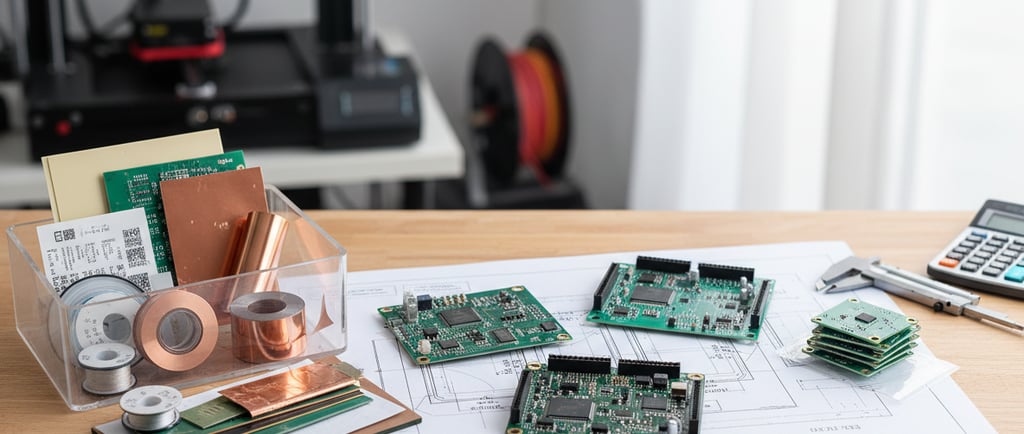
The Printed Circuit Board (PCB) is the unsung hero at the heart of nearly every electronic device, from the smallest IoT sensor to complex industrial machinery. While its crucial role is undisputed, understanding the true cost drivers behind a finished PCB often remains a mystery to many engineers and product managers. The final price tag isn't just an arbitrary number; it's a intricate calculation influenced by a multitude of factors, each contributing significantly to your project's overall budget.
Navigating these variables effectively is key to optimizing costs without compromising performance or reliability. This deep dive aims to demystify PCB pricing, breaking down the three fundamental components that shape its cost: the chosen materials, the inherent design complexity, and the sheer quantity of boards ordered. By understanding these core elements, you'll be better equipped to make informed decisions, streamline your development process, and ultimately achieve more predictable and efficient electronics manufacturing. Let's peel back the layers and uncover what truly drives your PCB board price.
Decoding PCB Board Pricing: Unveiling the Impact of Materials, Complexity, and Quantity
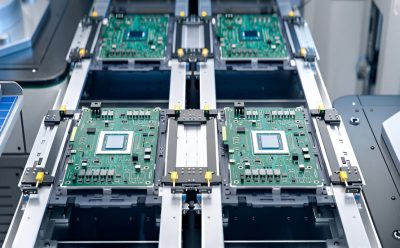
The substrate material, copper weight, and surface finish are foundational elements, directly impacting both performance and cost. Each choice presents a trade-off, and selecting the right materials for your application is crucial for balancing functionality with budget.
Substrate Material: The base material of your PCB is arguably the most significant material cost driver.
FR-4: The industry standard, known for its good balance of electrical properties, mechanical strength, and cost-effectiveness. Most commercial PCBs utilize some form of FR-4.
High-Tg FR-4: For applications requiring higher thermal resistance, such as those with dense component populations or high operating temperatures, high-Tg (glass transition temperature) FR-4 is used. It comes at a moderate price increase.
Specialty Materials (e.g., Rogers, Polyimide, Aluminum): High-frequency applications (RF/microwave), high-power designs, or extreme thermal management often necessitate specialized substrates like Rogers for superior signal integrity or aluminum-backed PCBs for efficient heat dissipation. These materials are significantly more expensive due to their unique properties, sourcing, and specialized processing requirements.
Copper Weight: The thickness of the copper traces on your PCB directly correlates with its current carrying capacity. Standard PCBs typically use 1oz copper, but applications requiring higher currents (e.g., power electronics) might demand 2oz, 3oz, or even higher. Heavier copper requires more raw material and more complex etching processes, leading to higher costs.
Surface Finish: This protective layer applied to the exposed copper pads prevents oxidation and ensures solderability during assembly.
HASL (Hot Air Solder Leveling): Generally the most cost-effective option, offering good solderability but can have uneven surfaces, making it less ideal for fine-pitch components.
ENIG (Electroless Nickel Immersion Gold): Provides excellent flatness, long shelf life, and superior solderability, making it suitable for fine-pitch, BGA, and lead-free applications. However, it's more expensive due to the precious metal content and multi-step process.
OSP (Organic Solderability Preservative): An environmentally friendly and cost-effective option, offering a flat surface and good solderability, but with a shorter shelf life and susceptibility to multiple thermal cycles.
Solder Mask & Silkscreen: While less impactful than the above, non-standard solder mask colors (e.g., blue, black, red, yellow) typically cost more than the ubiquitous green. Similarly, special silkscreen inks or extremely fine silkscreen resolution can add minor costs.
more than the ubiquitous green. Similarly, special silkscreen inks or extremely fine silkscreen resolution can add minor costs.
Partnering with reliable manufacturers like Ominipcba allows access to a wide range of high-quality material options, ensuring both optimal performance and cost-efficiency for your specific application without compromising on integrity.
The Foundation: How Material Choices Shape PCB Costs


The complexity of your PCB design is a major determinant of manufacturing cost. Each layer added, every finer trace, and every specialized via type demands higher precision, more advanced equipment, and stricter process control, all of which contribute to a higher price per board.
Number of Layers:
2-Layer Boards: Simplest and most cost-effective.
Multi-Layer Boards (4, 6, 8+ layers): Each additional layer requires more drilling, lamination cycles, precise alignment, and inspection steps. The exponential increase in manufacturing steps directly translates to higher costs. High-density interconnect (HDI) boards can easily reach 10+ layers, significantly driving up expenses.
Trace Width and Spacing: Finer trace widths and tighter spacing (e.g., 4/4 mil, 3/3 mil, or less) necessitate high-resolution imaging, more precise etching, and stricter tolerances during manufacturing. This often requires specialized equipment, results in lower yields, and increases inspection complexity – all pushing up the unit cost. Such designs are common with advanced SMT assembly components and BGAs.
Via Types: The choice and type of vias (interconnections between layers) play a significant role.
hrough-hole Vias: The most common and cheapest type, extending through all layers.
Blind Vias: Connect an outer layer to one or more inner layers but do not go all the way through the board.
Buried Vias: Connect two or more inner layers but do not extend to the outer layers.
Microvias: Extremely small laser-drilled vias, typically used in HDI boards to achieve very high routing density.
Blind, buried, and especially microvias are substantially more expensive to manufacture due to additional drilling, plating, and lamination cycles.
Component Density and Placement: Boards with high component density, particularly those incorporating numerous fine-pitch components, Ball Grid Arrays (BGAs), or other advanced packages, require very precise manufacturing and assembly (SMT) processes. This can include more rigorous AOI (Automated Optical Inspection) or X-ray inspection, increasing costs.
Special Requirements: Any features beyond standard PCB fabrication can increase costs. This includes:
Controlled Impedance: Crucial for high-speed signals, requiring tighter manufacturing tolerances and additional testing.
Differential Pairs: Used for high-speed signals, needing careful routing and impedance matching.
Unique Board Shapes/Cutouts: Non-rectangular shapes or complex internal cutouts may require specialized tooling (e.g., custom routing bits) or laser cutting, adding to the expense.
Ominipcba's advanced manufacturing capabilities are designed to handle even the most complex PCB layouts, from multi-layer HDI boards with microvias to those requiring precise impedance control, ensuring your intricate designs are realized with accuracy and efficiency.
The Intricacies of Design: Complexity and its Price Tag
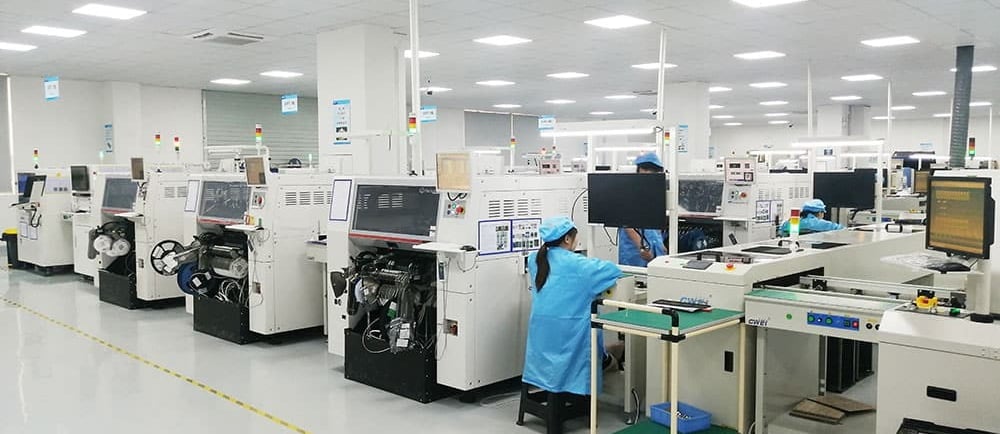
The quantity of PCBs you order has a direct and often significant impact on the per-unit cost. This phenomenon, known as "economies of scale," is critical for cost optimization, particularly for mass production.
Non-Recurring Engineering (NRE) Costs: These are fixed, one-time costs associated with setting up the production line for your specific design. They include:
Tooling: Creating the photoplots, drill programs, and other production files.
Programming: Setting up SMT machines, test fixtures, and inspection equipment.
Setup: The time and labor required to prepare machines for a production run.
For small quantities (prototypes or low-volume), these NRE costs are spread over very few units, making the per-unit cost very high. As quantity increases, the NRE cost per unit decreases dramatically.
Material Procurement: Manufacturers purchase raw PCB materials (laminates, copper foil, chemicals) and electronic components in bulk. Larger orders enable them to leverage volume discounts from suppliers, passing on these savings to the client. This can significantly reduce the Bill of Materials (BOM) cost per unit for high-volume orders.
Manufacturing Efficiency: Larger production runs allow for optimized machine utilization and fewer changeovers. The continuous flow of boards through the fabrication and assembly lines minimizes downtime, reduces labor costs per unit, and improves overall efficiency. Smaller runs, especially quick-turn prototypes, disrupt normal scheduling and incur premium charges.
Lead Time: The time required to produce your PCBs also affects the price.
Standard Lead Time: Allows the manufacturer to schedule your order efficiently within their regular production cycles, typically offering the lowest unit cost.
Quick-Turn / Expedited Orders: These require immediate attention, often involving overtime, re-prioritization of existing orders, or dedicated resources. This rush service always comes with a premium fee.
Whether you require quick-turn prototypes for rapid validation or high-volume production for market launch, Ominipcba offers flexible manufacturing solutions designed to optimize your cost per unit without compromising on quality or delivery timelines.
The Power of Scale: Quantity and its Impact on Unit Price
While chasing the lowest price might seem appealing, it's paramount to understand the long-term implications of compromising on quality. A cheap PCB or PCBA can quickly become the most expensive component in your project due to:
Rework and Scrap: Poorly manufactured boards lead to higher defect rates, requiring costly rework or outright scrapping of units.
Field Failures: Substandard materials or manufacturing processes can result in product failures in the field, leading to warranty claims, returns, and significant reputational damage.
Design Iterations: Poor manufacturing quality can mask design flaws, leading to unnecessary and costly re-spins of your PCB.
Delayed Time-to-Market: Rework, re-fabrication, and troubleshooting due to quality issues can severely delay your product launch, costing you market share and revenue.
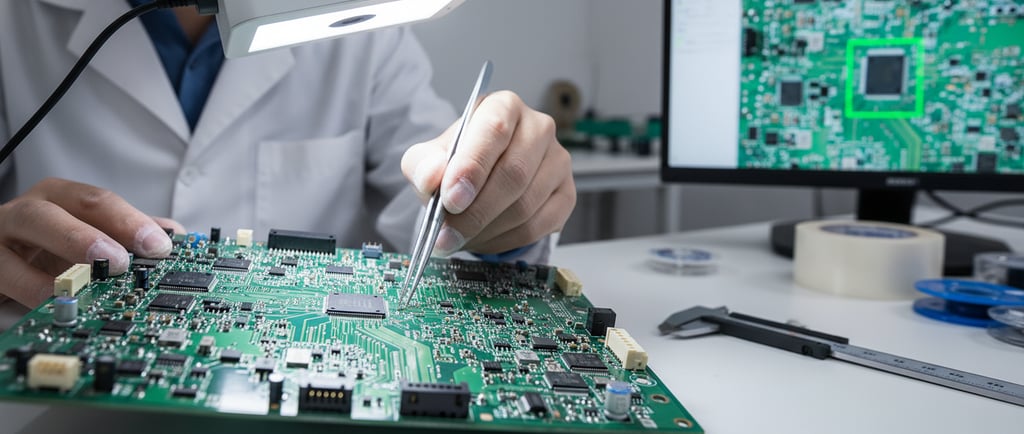
Investing in a manufacturer with stringent quality control protocols, like Ominipcba, ensures that your PCBs meet the highest standards, minimizing these hidden costs and safeguarding your product's reliability and your brand's reputation. Their comprehensive DFM (Design for Manufacturability) analysis, rigorous testing, and advanced inspection methods like AOI (Automated Optical Inspection) and X-ray ensure high yields and consistent quality from prototype to production.
Why Quality Matters
Understanding the intricate relationship between PCB materials, design complexity, and order quantity is not just about crunching numbers – it's about making strategic decisions that impact your product's performance, reliability, and market competitiveness. By delving into these key components of PCB pricing, engineers and product managers can gain greater control over their budgets and design processes.
The path to cost-effective and high-quality electronics manufacturing lies in thoughtful design choices, informed material selection, and strategic partnership with a reliable and capable EMS provider. Such a partner can guide you through the complexities, offering insights into optimizing your design for both performance and manufacturability, ensuring your project succeeds without unexpected cost overruns.
Final Thought: If you need precision, reliability, and optimized cost-efficiency for your PCB assembly, consider reaching out to Ominipcba's experts to make your production process seamless and successful.
Conclusion & Next Steps
Frequently asked questions
Q: What are the main factors influencing PCB board price?
A: The primary factors are the choice of materials (substrate, copper, surface finish), the complexity of the design (number of layers, trace width/spacing, via types), and the order quantity.
Q: Do higher quantities always mean lower unit prices for PCBs?
A: Generally, yes. Higher quantities allow for economies of scale by spreading fixed Non-Recurring Engineering (NRE) costs over more units and benefiting from bulk material purchasing discounts, leading to a lower per-unit cost.
Q: How does PCB design complexity impact its cost?
A: More complex PCB designs, such as those with many layers, fine traces, blind/buried vias, or high component density, require more specialized manufacturing processes, advanced equipment, and stricter quality control, all of which increase production costs.
Q: Why is surface finish important for PCB cost?
A: Different surface finishes (e.g., HASL, ENIG, OSP) have varying material costs, processing requirements, and provide different benefits regarding solderability, shelf life, and suitability for fine-pitch component assembly, directly impacting the overall PCB price.
Contacts
Email: sales@ominipcba.com
Mobile: +86-185-7640-5228
Copyright © 2007-2025. Omini Electronics Limited. All rights reserved.
Head Office: +86-755-2357-1819
Products & Services



Office Address: No. 605, Tongxin Technology Building, Bao’an Avenue, Bao’an District, Shenzhen, Guangdong, China.
Factory Address: Buildings 5 and 12, Lisheng Industrial Zone, Tangwei Community, Fuhai Street, Bao'an District, Shenzhen, China.


Omini Electronics Limited is an expert in trusted PCB Fabricaton and PCB Assembly in China since 2007. We have served over 1000 global customers with high-quality, low to medium-volume production. Certified by UL (E532498), ISO9001:2015, and ISO13485:2016, we offer expert electronics manufacturing services, including PCB manufacturing, assembly, and contract manufacturing, ensuring top-tier quality and precision in every project.