Phone: +86-755-2357-1819 Mobile: +86-185-7640-5228 Email: sales@ominipcba.com whatsapp: +8618576405228

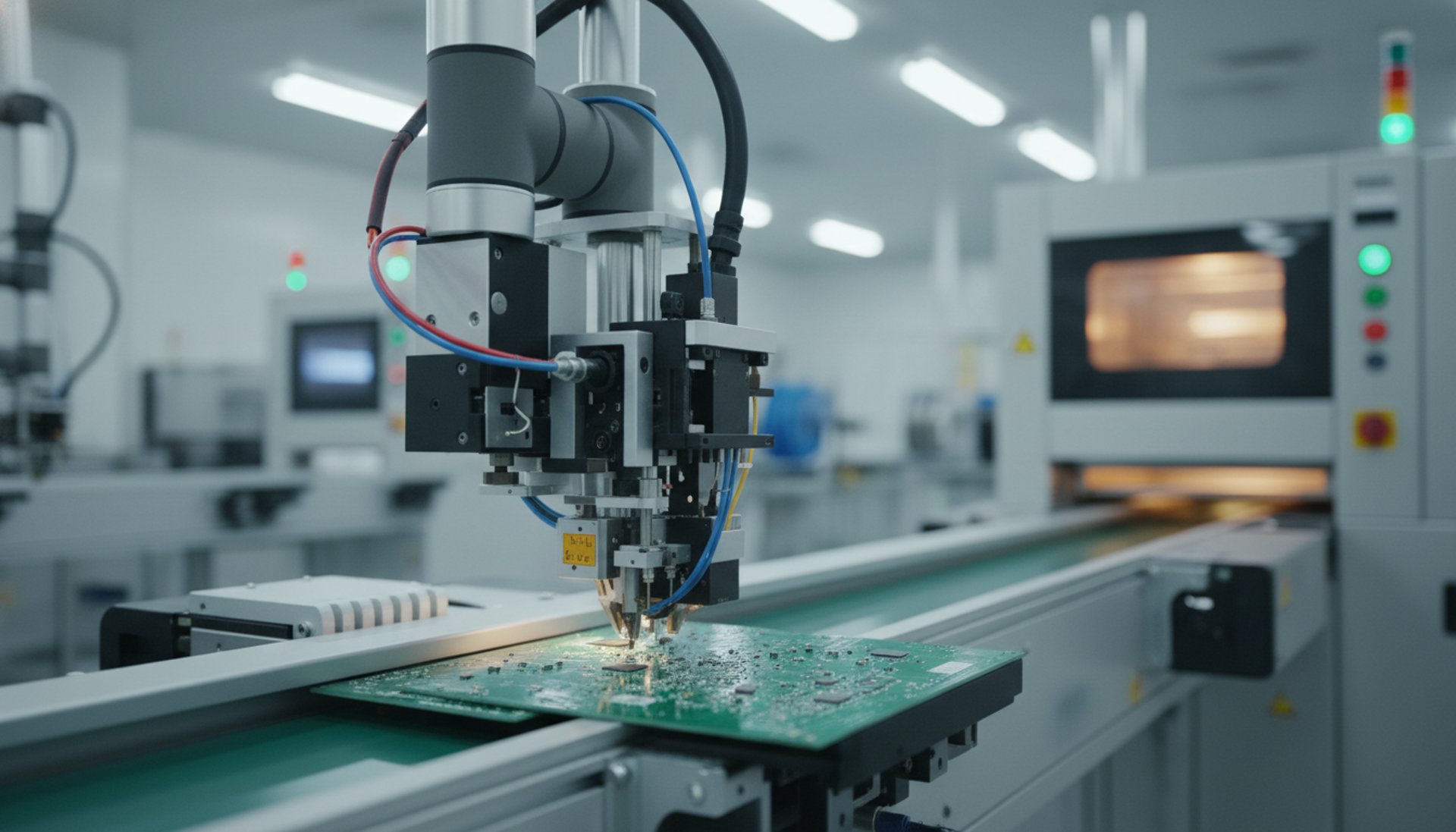
OminiPCBA: Quality Policy & Precision Engineering
Setting the gold standard in Omini electronics manufacturing. We deliver high-reliability PCB assembly and EMS solutions tailored for global industrial leaders.
Reliability Testing for PCBs: Ensuring High-Quality Standards with Omini
Reliability is a critical aspect of PCB manufacturing, and Omini is committed to delivering high-performance PCBs through rigorous testing and inspections. Here’s how we ensure every PCB meets industry-leading standards:
Optimized PCBA manufacturing begins with proactive engineering and rigorous pre-production review. By integrating Design for Manufacturing (DFM) principles early in the cycle, we eliminate potential defects and streamline the assembly workflow. Our commitment to precision planning ensures that every technical detail aligns with IPC standards, preventing costly delays and ensuring long-term hardware reliability.
OminiPCBA utilizes a dual-layer verification strategy, combining high-speed 3D AOI (Automated Optical Inspection) with comprehensive electrical testing. This multi-method approach detects microscopic flaws, including open circuits, solder bridges, and component misalignments, ensuring each PCB assembly performs flawlessly upon first power-up. We enforce 100% test coverage to guarantee that no board bypasses our critical quality checkpoints.
Structural integrity is vital to signal performance. We employ specialized flatness checks and alignment verification to detect board warpage or surface irregularities that could compromise SMT placement accuracy. From monitoring copper path uniformity to identifying microscopic solder bumps, our quality control team scrutinizes every detail. At OminiPCBA, we eliminate guesswork through automated precision and disciplined inspection, delivering the consistent technical results your high-stakes electronics demand.
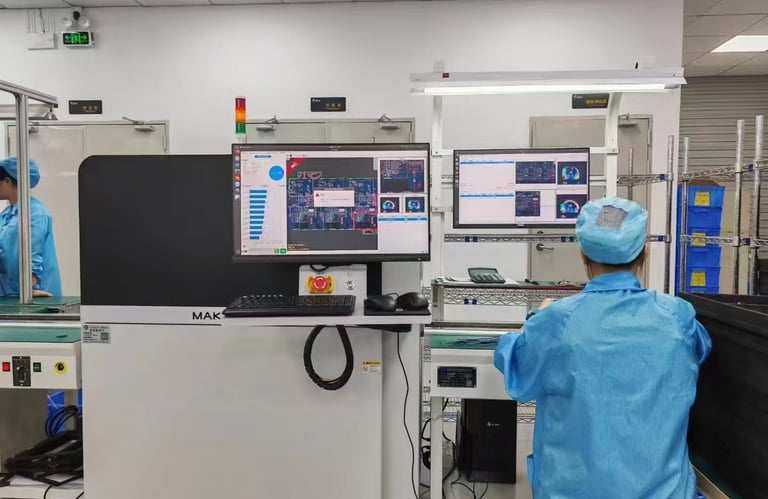
OminiPCBA ensures technical integrity through rigorous PCB inspection and material validation. We conduct precise dimensional analysis of hole diameters and board outlines to guarantee 100% adherence to design specifications. Utilizing high-resolution metrology, we verify trace-to-space tolerances as tight as 0.05mm, ensuring zero-defect fitment for high-density interconnects.
Our quality assurance protocols include cross-section analysis to inspect copper plating thickness and interlayer registration under high magnification. To verify long-term reliability, we perform solderability testing at 245°C and thermal stress analysis at 288°C, identifying potential delamination or outgassing before production. Adhesion integrity is validated through standardized tape and peel-strength tests, ensuring copper traces and surface finishes withstand extreme mechanical stress.
For high-speed applications, we provide precise impedance control and signal integrity testing. By measuring resistance and capacitance at high frequencies, we eliminate data distortion across critical signal paths. All manufacturing processes are strictly governed by IPC-A-600 Class 2 and Class 3 standards, making our boards suitable for automotive, aerospace, and industrial electronics.
To prevent electrochemical migration and latent field failures, we enforce strict ionic contamination controls. By removing microscopic residues and salts that cause dendritic growth, we protect your hardware from short circuits in humid environments. At OminiPCBA, we combine advanced laboratory testing with disciplined PCBA manufacturing to deliver the ruggedized hardware foundation your critical systems demand.
Certifications and Compliance for PCB Manufacturing: Trusted Quality with Omini
At Omini, we uphold the highest industry standards to ensure superior quality and reliability in every PCB product. Our certifications reflect our commitment to excellence in PCB manufacturing.
ISO 9001:2015: Certified Quality Management System (QMS) ensuring continuous process optimization and superior customer satisfaction.
ISO 13485:2016: Specialized certification for medical device manufacturing. We adhere to stringent regulatory requirements to ensure the precision, safety, and reliability of medical PCBAs used in critical healthcare applications.
ISO 14001:2015: Environmental Management System (EMS) focused on sustainable electronics manufacturing. We minimize our ecological footprint through rigorous waste reduction, energy efficiency, and pollution control protocols.
UL Certified (E358677): Our products meet rigorous Underwriters Laboratories safety standards. This certification guarantees that our printed circuit boards comply with essential electrical safety and flammability requirements for demanding global markets.
IPC Member (CIS): Active involvement in IPC standards ensures our team remains at the forefront of PCB assembly techniques. By following IPC-A-610 and IPC-7711/7721 guidelines, we deliver world-class workmanship and technical excellence.
Our RoHS certification ensures that every OminiPCBA circuit board is manufactured without hazardous substances, meeting the most stringent global safety and environmental regulations. By strictly excluding toxic materials from our production cycle, we eliminate hidden risks and deliver inherently safe hardware through verified, repeatable manufacturing processes.
A REACH Certificate of Compliance validates that our products adhere to the European Union's rigorous chemical safety standards. Every material used in our PCB assembly is thoroughly audited and cleared by authorized bodies, confirming full alignment with regional substance restrictions. This certification demonstrates our commitment to high health and environmental standards across the global supply chain.
We prioritize ethical sourcing and Conflict Minerals Compliance by maintaining full traceability for every material used in our circuit boards. By ensuring our supply chain is transparent and responsibly managed, we build trust through integrity and social accountability, never compromising on material quality or ethical standards.
OminiPCBA provides certified PCB solutions where regulatory compliance and environmental stewardship are integrated into the manufacturing foundation. Our commitment to ISO-certified quality and steady, responsible production ensures that every technical detail meets the high expectations of the global electronics industry. Partnering with us means choosing a manufacturer that values long-term reliability and non-negotiable compliance.





Quality Assurance and Customer Service: Excellence with Omini
OminiPCBA prioritizes technical reliability and proactive communication to ensure your project’s success. We understand that in PCBA manufacturing, responsiveness is as critical as hardware quality; our team provides rapid support to keep your production timeline on track. By combining disciplined project planning with a focus on IPC-compliant precision, we eliminate delays and manage complexities before they impact your workflow. At OminiPCBA, excellence is defined by consistent execution and a commitment to high-performance PCB solutions that deliver long-term value without compromise.
OminiPCBA ensures zero-defect delivery through rigorous quality control protocols and final inspection gates for every PCB assembly.
Our facility utilizes state-of-the-art automated inspection technology to detect microscopic flaws. By integrating high-precision 3D AOI and X-ray analysis, we identify variances early in the production cycle, halting errors before they escalate. This commitment to advanced hardware ensures that every printed circuit board meets the highest industry standards for reliability and technical integrity.
Our quality assurance team maintains total oversight across the entire PCBA manufacturing workflow. By adhering to disciplined inspection routines and IPC-compliant benchmarks, we verify that every component and solder joint meets strict technical specifications before advancing to the next stage.
We prioritize rapid responsiveness to maintain your project’s momentum. Whether regarding RFQs, quality documentation, or technical support, OminiPCBA delivers fast, accurate communication to ensure your production timelines and cost requirements are met without delay.
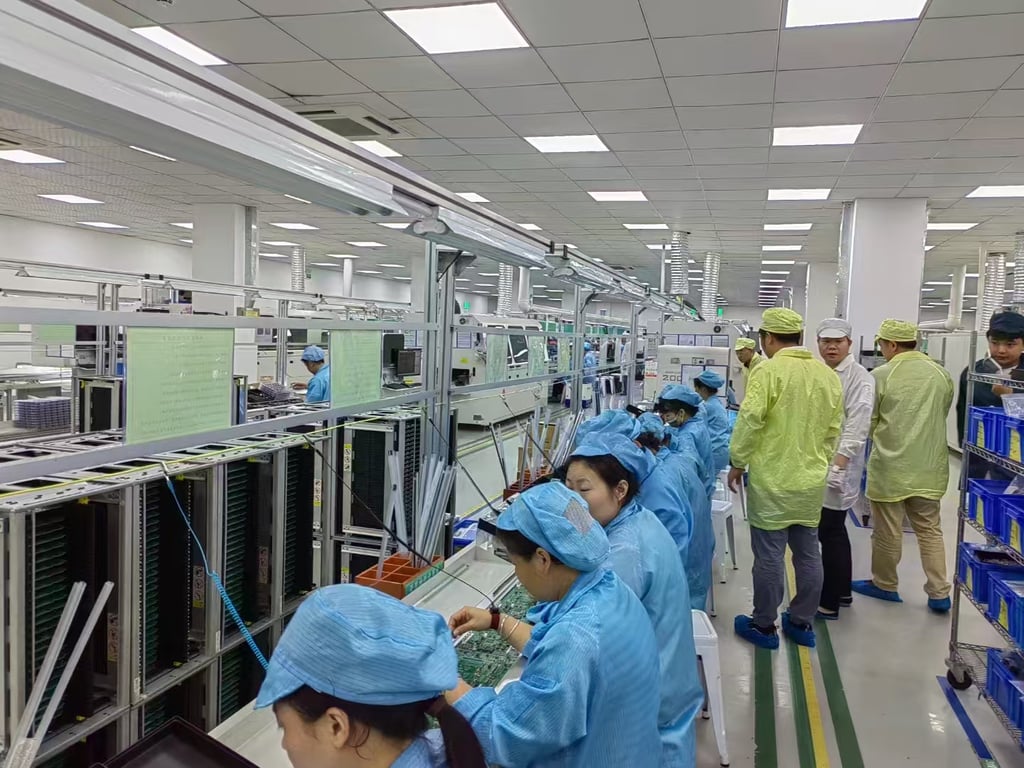
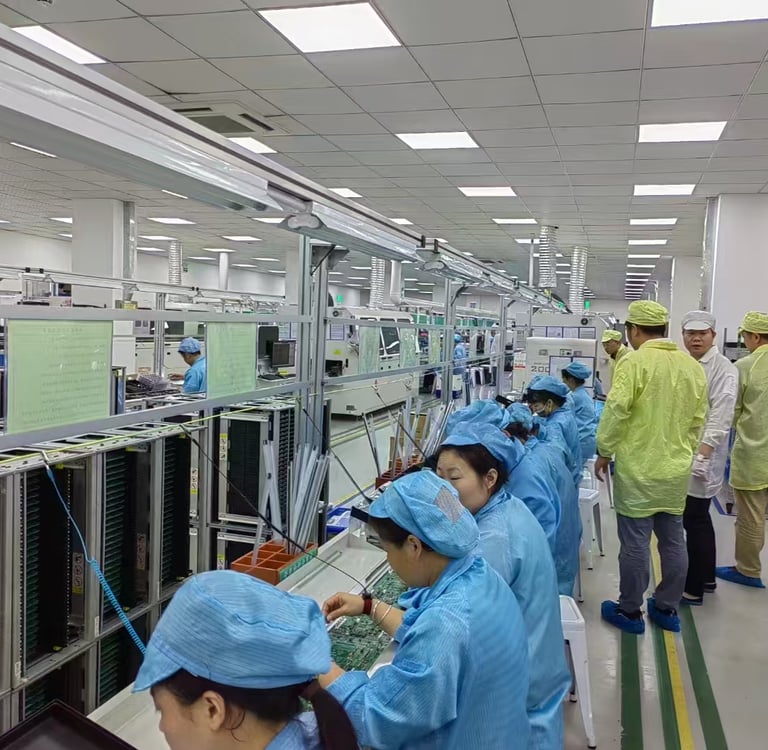
OminiPCBA ensures on-time delivery through disciplined logistics and supply chain management, protecting your production schedule from unexpected delays. Our commitment to punctual PCBA fulfillment is a core component of our workflow, ensuring that your hardware arrives exactly when needed to maintain project momentum.
We prioritize long-term partnerships over simple transactions, offering the technical support and responsiveness required to scale your electronics projects. At OminiPCBA, reliability is defined by consistent action and a quality management system that aligns with your specific engineering goals. By integrating rigorous IPC standards with a client-focused approach, we provide a stable manufacturing foundation that grows with your business.
Contacts
Email: sales@ominipcba.com
Mobile: +86-185-7640-5228
Copyright © 2007-2026. Omini Electronics Limited. All rights reserved.
Head Office: +86-755-2357-1819
Services


Your China turnkey partner for electronics manufacturing. We bridge design to delivery by leveraging the Shenzhen electronics ecosystem for precision engineering and streamlined PCBA supply chain logistics.
Ready to Build?
Get a comprehensive quote within 24 hours.