Phone: +86-755-2357-1819 Mobile: +86-185-7640-5228 Email: sales@ominipcba.com whatsapp: +8618576405228

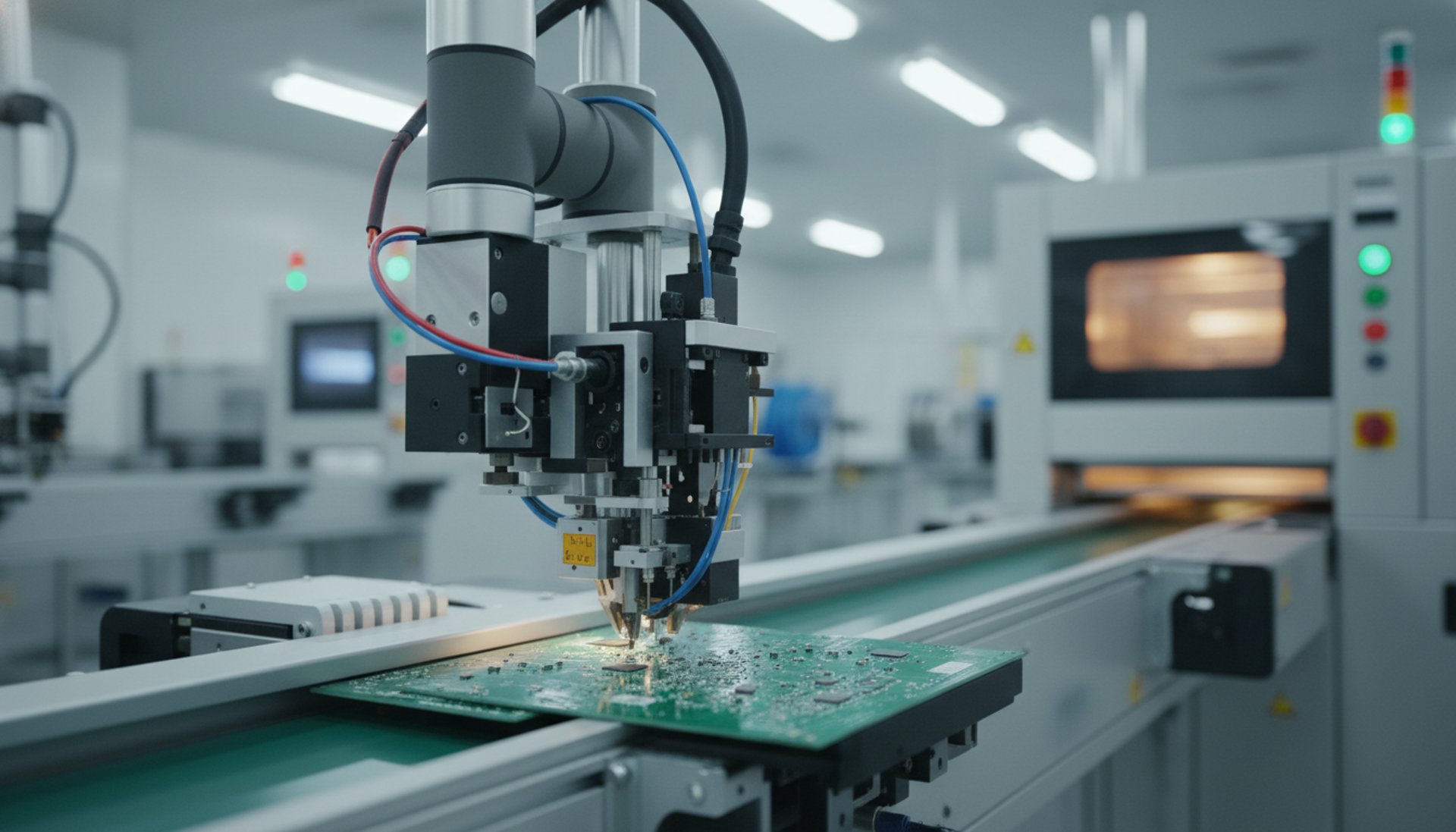
Expert Mixed PCB Assembly Services for Industrial OEMs
Seamlessly integrating Surface Mount Technology (SMT) and Through-Hole Technology (THT) for high-reliability electronics. Trusted by global procurement managers for precision and scalability.
Why Choose Mixed PCB Assembly?
OminiPCBA delivers expert mixed-technology PCB assembly, integrating high-density SMT with the robust mechanical strength of Through-Hole Technology (THT). Our specialized processes ensure that precision micro-components and heavy-duty power connectors coexist seamlessly on a single substrate.
Designed for hardware engineers and OEM procurement teams, our mixed-assembly workflow prioritizes durability and high-performance signal integrity. Whether your design requires complex BGA placement or high-reliability THT soldering for industrial power modules, OminiPCBA provides the manufacturing versatility to bring your multi-technology electronics to market without compromise.
The Omini PCBA Advantage
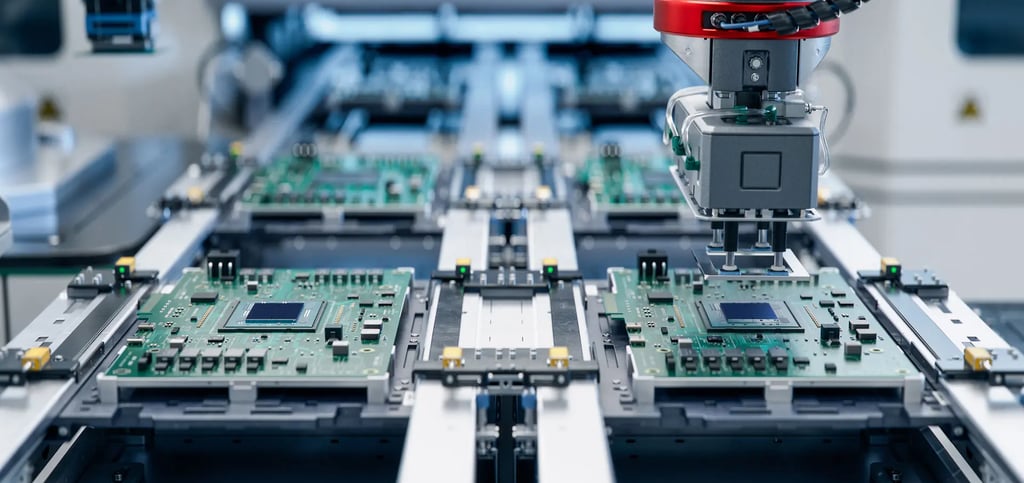
Combining automated precision with skilled craftsmanship to deliver superior mixed-technology boards.


Dual-Process Expertise
Our production lines are optimized for both high-speed automated SMT placement and precision manual or automated through-hole insertion, ensuring complete coverage for complex BOMs.

High-Reliability Soldering
We utilize advanced reflow profiles for SMDs combined with selective wave soldering for THT components, guaranteeing robust mechanical joints essential for industrial applications.

Scalable Manufacturing
From rapid prototyping of mixed-technology boards to high-volume production runs, Omini PCBA adapts to your product lifecycle needs without compromising quality.
Every mixed assembly board undergoes AOI (Automated Optical Inspection), X-Ray for BGAs, and functional ICT testing to verify both logical and physical integrity.

Rigorous Testing
Technical Specifications
OminiPCBA delivers high-precision mixed-technology assembly, bridging the gap between high-speed SMT and robust through-hole (THT) components. We meet the stringent tolerances required by modern OEMs, ensuring that complex layouts—from high-density interconnects to specialized power modules—maintain total structural integrity. By optimizing your hybrid designs for manufacturability, we guarantee peak electrical performance and long-term reliability for even the most demanding hardware applications.
Industry Applications
OminiPCBA delivers high-precision mixed-technology assembly, integrating the efficiency of SMT with the superior mechanical strength of through-hole (THT) components. This hybrid approach ensures that high-density PCB layouts maintain structural and thermal durability under extreme stress. Essential for mission-critical sectors such as industrial automation and medical electronics, our mixed PCBA solutions provide the rigorous reliability and signal integrity required for your most demanding hardware applications.
Industrial Control
Bridge logic and motion. Robust PCBA solutions for high-power motor drivers and PLCs, engineered to handle extreme industrial thermal loads.
Medical Devices
Reliable medical PCB assembly demands uncompromising precision. We bridge the gap between complex designs and certified, lifesaving hardware with strict ISO-13485 compliance.
Marine & Auto
Ensure mission-critical reliability with ruggedized PCBA for navigation and sensors, engineered to withstand vibration, heat, and harsh operational environments.
Frequently Asked Questions
1.What is Mixed PCB Assembly?
Mixed PCB assembly involves using both Surface Mount Technology (SMT) and Through-Hole Technology (THT) on the same printed circuit board. This allows manufacturers to utilize small, efficient SMT components while retaining the mechanical strength of THT components for connectors and power supplies.
2.How does Omini PCBA handle quality control for mixed technologies?
We employ a multi-stage inspection process. SMT components are inspected via AOI (Automated Optical Inspection) immediately after reflow. THT components undergo visual inspection and, where necessary, automated selective soldering validation. The final board is subjected to X-Ray (for hidden joints) and functional testing.
3.Can you handle RoHS and Non-RoHS manufacturing?
Yes. Omini PCBA maintains separate process lines to ensure full compliance with RoHS directives for consumer/industrial goods, while also supporting leaded processes for specialized military or medical applications where exemptions apply.
4.What information is needed for a quote?
To provide an accurate quote, we require Gerber files, a Bill of Materials (BOM) indicating which parts are SMT vs. THT, and any specific assembly drawings or testing requirements.
Contacts
Email: sales@ominipcba.com
Mobile: +86-185-7640-5228
Copyright © 2007-2026. Omini Electronics Limited. All rights reserved.
Head Office: +86-755-2357-1819
Services


Your China turnkey partner for electronics manufacturing. We bridge design to delivery by leveraging the Shenzhen electronics ecosystem for precision engineering and streamlined PCBA supply chain logistics.
Ready to Build?
Get a comprehensive quote within 24 hours.